

Dallas Nursing Home Abuse & Neglect Lawyers: Hold Negligent Facilities Accountable
When you or someone you love is harmed by the people entrusted with their care, you deserve answers. Our nationally recognized team is here to help.

Why Families Choose Smith Clinesmith
America’s Largest Nursing Home Abuse Litigation Firm
28+ years of experience
Our firm specializes in elder abuse and neglect
We handle cases across 17 states including Texas
We work on a *contingency basis meaning you pay nothing until we win a settlement or verdict
Aggressive advocacy. Proven results.
Warning Signs of Nursing Home Abuse & Neglect
Know the Signs. Protect Yourself or Your Loved One.
Abuse and neglect in nursing homes and assisted living facilities aren't always obvious. Recognizing potential warning signs early can help protect residents from further harm.
Common Warning Signs to Watch For
Unexplained Injuries
Bruises, fractures, cuts, or frequent falls without clear explanations.
Bedsores & Skin Injuries
Pressure ulcers, untreated wounds, or worsening skin conditions.
Poor Hygiene & Living Conditions
Soiled clothing, unsanitary rooms, or inadequate personal care.
Sudden Behavioral Changes
Withdrawal, fear, anxiety, or unusual changes in mood or behavior.
Malnutrition & Dehydration
Unexplained weight loss, weakness, or signs of inadequate food and fluid intake.
Medication & Medical Care Concerns
Missed medications, delayed treatment, or worsening health conditions.
Recognize the Signs? We're Here to Help.
These warning signs don't always mean abuse or neglect has occurred, but they deserve attention. If you or a loved one has experienced serious harm in a nursing home or healthcare facility, Smith Clinesmith can help you understand your legal options.
Concerned About the Care You or a Loved One Received?
Abuse and neglect are not always easy to recognize. Unexplained injuries, sudden changes in behavior, poor hygiene, dehydration, malnutrition, medication issues, or worsening medical conditions may raise questions about the care your loved one received.
Common concerns we investigate include:
Bedsores/Pressure Ulcers/Sepsis
Falls/Fractures/Serious Injury
Fatal Neglect/Wrongful Death
Medication Errors/Overdose
Dehydration/Malnutrition/Aspiration Pneumonia
Inadequate Supervision
Delayed Medical Care
You don’t need to have all the answers before speaking with an attorney.
Your Family Deserves Answers
If you believe your loved one may have suffered abuse or neglect, tell us what happened. Our team can review your situation and help you understand your options.
How do you prove abuse or neglect happened?
You may be able to work with a nursing home attorney who can investigate and collect evidence to prove abuse or neglect happened.
This evidence may include:
Medical records
Photos and videos
Staff logs
Witness testimony
A nursing home may try to cover up any instances of abuse that took place, so it’s important to document anything related to your loved one’s injury and seek legal help as soon as possible.


Our commitment to justice is evident in our ability to secure top verdicts and settlements for victims of nursing home abuse. Our track record speaks volumes, with a standout example being a $1.45 million jury verdict we secured in Texas. This remarkable outcome, arising from a case of elder neglect, multiple falls, a brain injury, and wrongful death, underscores our ability to achieve top-tier results for victims of nursing home abuse.
FAQs for Nursing Home Abuse Lawyers
-
While it depends on the state, nursing home neglect is often defined as the failure to provide a resident with services essential to health and safety. This can include issues such as dehydration or malnutrition, improper or lack of supervision, failure to provide toileting and hygiene, failure to transfer to a higher level of care, and a lack of proper medical care. If these failures are determined to be reckless or intentional, they may be considered abuse. Abuse can also consist of physical, sexual, emotional, or financial abuse.
-
Look out for unexplained injuries, sudden behavior changes, or signs of neglect such as poor hygiene. Are they receiving sufficient nutrition and hydration? Do you see significant weight loss? Are call lights left unanswered for long periods of time? Are staff available to attend to residents’ needs? These are only a few of the many signs and symptoms of nursing home abuse or neglect — you can read more signs here.
-
Reporting procedures vary by state, but generally, you can contact your local nursing home Ombudsman or Adult Protective Services. Document any signs of abuse with photos, keep a written journal of incidents, send emails to the Director of Nursing and/or Administrator, or gather medical records. Witness statements can also be crucial. For example, is there a nurse or CNA reporting these conditions and other events negatively impacting your loved one? These individuals may be willing to write down what they observe.
-
Legal actions may include filing a lawsuit for negligence, abuse, wrongful death, violation of a resident’s rights, or reporting to law enforcement if criminal behavior is suspected. The statute of limitations varies by state, so it's important to consult with an attorney promptly if you suspect neglect or abuse.
-
Residents have the right to proper medical care, dignity, privacy, and freedom from abuse. There are state and federal laws that protect residents living in nursing homes. Familiarize yourself with Your Rights and Protections as a Nursing Home Resident.
-
Regularly visit the facility and consider doing so at varying times of day. Staff should be trained to recognize and prevent abuse, and the facility should have clear protocols for reporting and addressing concerns. Maintain an open line of communication with the caregivers and your loved one, and know the signs of abuse or neglect so that you can properly advocate for your loved one.
-
Laws vary, but some states allow it. Check local regulations and, if permitted, inform the facility, and take steps to install a camera in your loved one’s room. The more you can see, even when you are not present, the more likely you can take prompt steps to help protect your loved one if something happens.
-
The nursing home cannot alter medical records and cannot refuse to release records to an individual with the proper authority to request them.
-
With qualifying cases, we often work on a contingency basis, which means you do not pay anything until we have won a settlement or verdict. (Schedule your free consultation here.)
-
Compensation may include medical expenses, pain and suffering, and, in cases of wrongful death, funeral and burial expenses, and loss of companionship, love and society. Punitive damages, meant to punish the defendants for their wrongful conduct, are also available in some states and under egregious conditions.
-
Cases of neglect and abuse can sometimes be difficult to prove, but we utilize resources like medical records, medical experts, data from the federal government regarding staffing and funding of the nursing home, and investigators to identify instances of nursing home abuse and neglect and/or a systemic failure at the facility based on corporate misconduct.
-
The timeline varies on a case-by-case basis. Generally, cases take anywhere from 6 months to 2 years. During the lawsuit, we strongly recommend moving your loved one out of the facility where the abuse or neglect occurred. With the decades of experience we have in this area, we can help you navigate the process of moving your loved one during the course of the lawsuit, and after.
-
This will depend on the level of evidence we are able to compile and the chances the defense counsel is willing to take in the courtroom. Many of these nursing homes do not want to make their forms of abuse public and are agreeable to an out-of-court settlement. A testimony by you or your loved one may be required, depending on the circumstances.
-
If your case involves a wrongful death, we recommend getting in touch with a lawyer as soon as reasonably possible. While this may be difficult, nursing homes are known to destroy evidence; the faster we can be aware of the situation, the more we can recover.
We Speak Up for Those Who Cannot Speak for Themselves
If you think you may have a case against a nursing home or a senior assisted living facility for abuse or neglect, act now. Time is critical in these matters, so we urge you to contact our skilled attorneys as soon as possible.
Our legal team consists of experienced professionals dedicated to investigating nursing home abuse cases and seeking fair recovery for victims of injustice. We are fully prepared to prove these cases at trial whenever necessary. We treat every case brought to us with the utmost seriousness and professionalism; we will investigate the claim to the fullest to see if it can be taken to court for litigation.
Our team of professionals includes:
Skilled attorneys
Paralegals
Nurses
Medical experts
Investigators
Signs of Nursing Home Abuse and Neglect
It can be difficult to detect nursing home abuse and neglect, but it's important to know the signs. If you suspect your loved one is a victim of abuse, take action immediately. Here are some common signs to look for:
Unexplained injuries, such as bruises, cuts, or broken bones
Changes in behavior, such as withdrawal, depression, or anxiety
Poor hygiene or unsanitary living conditions
Malnutrition or dehydration
Bedsores or pressure ulcers
Unexplained financial transactions or missing personal belongings
If you notice any of these signs, it's important to speak up for your loved one. The team at Smith Clinesmith is here to help you take action and hold those responsible accountable for their actions. Contact us today to learn more about how we can help.
Recognize the Signs? We're Here to Help.
These warning signs don't always mean abuse or neglect has occurred, but they deserve attention. If you or a loved one has experienced serious harm in a nursing home or healthcare facility, Smith Clinesmith can help you understand your legal options.
How to Prevent Nursing Home Abuse and Neglect
Entrusting someone with the care of your loved one can be scary. Here are a few steps you can take to help prevent abuse and neglect and ensure they receive the quality care they deserve.
Do your research. Research the nursing home before choosing a facility for your loved one. Look for reviews, ratings, and any history of abuse or neglect.
Visit often. Visit your loved one regularly and at different times of the day. This will help you get to know the staff and observe any changes in your loved one's behavior.
Be observant. Look for signs of abuse and neglect, such as unexplained injuries or changes in behavior. Report any concerns to the nursing home administration and/or the proper authorities.
Stay involved. Stay involved in your loved one's care and communicate regularly with the nursing home staff to ensure their needs are being met.
Stay informed. Stay informed about your loved one's medications, treatments, and care plan. Ask questions and advocate for their rights and wellbeing.
No Fee Unless We Win
Seeking answers shouldn't add financial stress during an already difficult time. In most nursing home abuse and neglect cases we accept, Smith Clinesmith works on a contingency fee basis, meaning you generally pay no attorney's fees unless we recover compensation for you.
Every case is unique, and representation terms may vary. During your free, confidential consultation, we'll explain our fee structure, discuss your case, and answer your questions before you decide to move forward.
If you believe your loved one suffered abuse or neglect, don't wait. Evidence can disappear, and legal deadlines may apply. Contact Smith Clinesmith today for a free, confidential case evaluation to learn how we may help protect your family and hold negligent facilities accountable.
*Contingency fee arrangements are subject to the terms of the representation agreement and applicable law. Not every matter qualifies for contingency representation.
Can You File a Nursing Home Abuse or Neglect Lawsuit?
If you or a loved one suffered serious injuries due to suspected nursing home abuse or neglect, you may have grounds to pursue legal action. Nursing homes and other healthcare facilities have a responsibility to provide appropriate care, supervision, and protection. When that responsibility is not met, legal action may help families seek accountability and compensation.
Common reasons families pursue nursing home lawsuits include:
Bedsores and severe pressure ulcers
Falls, fractures, and preventable injuries
Dehydration, malnutrition, or untreated infections
Physical abuse or inadequate supervision
Wrongful death resulting from suspected neglect
At Smith Clinesmith, LLP, our nursing home abuse attorneys can review the circumstances of your case, explain your legal options, and help determine whether a lawsuit may be appropriate.
How to File a Nursing Home Abuse Lawsuit
Filing a nursing home abuse or neglect lawsuit begins with understanding what happened and whether the facility may be legally responsible. An experienced nursing home abuse lawyer can guide you through the process and handle the legal complexities.
The process typically involves:
Free Case Evaluation: Discuss the suspected abuse, neglect, or injuries with our team.
Case Investigation: Our attorneys review available medical records, facility documentation, and other relevant evidence.
Filing a Lawsuit: If legal action is appropriate, our team can prepare and file the necessary documents.
Pursuing Compensation: We work to establish accountability and seek a resolution through settlement negotiations or litigation.
Smith Clinesmith helps individuals and families navigate the legal process while keeping them informed along the way.
What to Expect During a Nursing Home Abuse Lawsuit
A nursing home abuse lawsuit may involve investigating the facility's actions, gathering evidence, negotiating with responsible parties, and potentially presenting the case in court.
Our attorneys work to make the process as straightforward as possible, helping clients understand their options and what comes next.
Depending on your case, the legal process may include:
Reviewing medical records and investigating potential negligence
Consulting qualified experts when necessary
Negotiating with insurance companies and defense attorneys
Preparing for trial if a fair settlement cannot be reached
Not every nursing home abuse lawsuit goes to trial. Many cases resolve through settlement negotiations, although outcomes depend on the circumstances.
How Long Do You Have to File a Nursing Home Abuse Lawsuit?
Every state has a legal deadline, known as the statute of limitations, for filing a nursing home abuse or neglect lawsuit. These deadlines vary by state and the type of claim, and waiting too long could affect your ability to pursue compensation.
Some states may allow approximately two years for certain personal injury claims, while others have shorter or longer deadlines. Special rules may also apply to wrongful death, medical negligence, and other circumstances.
If you suspect nursing home abuse or neglect, contacting an attorney as soon as possible can help protect your legal options.
What If You Missed the Deadline to File a Nursing Home Lawsuit?
Even if you believe the deadline to file a nursing home abuse lawsuit has passed, it may still be worth speaking with an attorney. Certain circumstances can affect when a filing deadline begins, whether it can be extended, or whether a different legal claim remains available.
Smith Clinesmith can review the timeline of your case and help determine whether any legal options remain.
Can a Nursing Home Abuse Lawyer Settle Your Case Without Going to Court?
Many nursing home abuse and neglect cases are resolved through settlement negotiations without requiring a trial. An experienced attorney can negotiate with the responsible parties and their insurers while working toward a resolution that reflects the circumstances of your case.
However, your attorney cannot ordinarily accept a settlement without your authorization. You remain involved in important decisions, including whether to accept a settlement offer.
At Smith Clinesmith, our attorneys handle the legal negotiations while keeping clients informed and helping them make confident decisions about their cases.
Can a Nursing Home Abuse Lawyer Represent You in Another State?
Nursing home abuse and neglect laws vary by state, making it important to work with attorneys who understand the legal requirements where the incident occurred.
Smith Clinesmith, LLP represents clients across 17 states, helping individuals and families pursue legal action involving suspected abuse and neglect in nursing homes and other healthcare facilities.
Our team can evaluate your situation and determine whether we can assist with a claim in the state where the injury occurred, subject to applicable attorney licensing and representation requirements.
How Long Does a Nursing Home Abuse Lawsuit Take to Settle?
The time required to resolve a nursing home abuse or neglect lawsuit depends on several factors, including the severity of the injuries, available evidence, the complexity of the case, and whether the responsible parties are willing to negotiate a fair settlement.
Some cases resolve within months, while others may take a year or longer, particularly when extensive investigations or litigation are necessary.
Factors that may affect your case timeline include:
The complexity of the abuse or neglect allegations
Availability of medical records and supporting evidence
The extent of injuries and resulting damages
Settlement negotiations and court schedules
At Smith Clinesmith, our attorneys work diligently to move cases forward while pursuing a resolution that serves our clients' interests.
Why Choose Smith Clinesmith for Your Nursing Home Abuse or Neglect Case?
Recommended replacement for: "Smith Clinesmith Is the Right Firm to Help Solve Your Nursing Home Abuse and Neglect Case"
Experienced Nursing Home Abuse & Neglect Lawyers Fighting for Your Family
When you or someone you love suffers serious injuries in a nursing home or healthcare facility, choosing the right legal representation matters. At Smith Clinesmith, LLP, we focus on representing individuals and families affected by elder abuse and neglect, helping them seek answers, accountability, and compensation.
With over 28 years of experience and millions of dollars recovered for clients, our nationally recognized team is committed to advocating for those harmed by suspected negligence.
Why families turn to Smith Clinesmith:
28+ Years of Experience: Decades of experience handling nursing home abuse and neglect cases.
Millions Recovered: A history of pursuing compensation for injured elderly residents and their families.
Representation Across 17 States: Advocating for families in multiple jurisdictions.
No Attorney's Fees Unless We Win: Contingency fee representation for accepted cases, subject to the terms of the fee agreement.
Free Case Evaluations: Understand your potential legal options without an upfront consultation fee.
Suspect Nursing Home Abuse or Neglect? We're Here to Help.
You deserve answers when a nursing home or healthcare facility fails to provide appropriate care. Whether your case involves serious falls, pressure ulcers, infections, or wrongful death, Smith Clinesmith is ready to review your situation and explain your legal options.
Contact us today for a free, confidential case evaluation at 833-334-4648.
Practice Areas

Nursing Home Abuse
Nursing home residents deserve dignity, respect, and proper care. When abuse occurs in a nursing home, assisted living facility, or other healthcare setting, residents and their families may have legal options.
Smith Clinesmith represents individuals and families affected by physical abuse, sexual abuse, emotional abuse, and other forms of mistreatment. Our nursing home abuse attorneys investigate suspected abuse and pursue accountability when facilities fail to protect vulnerable residents.
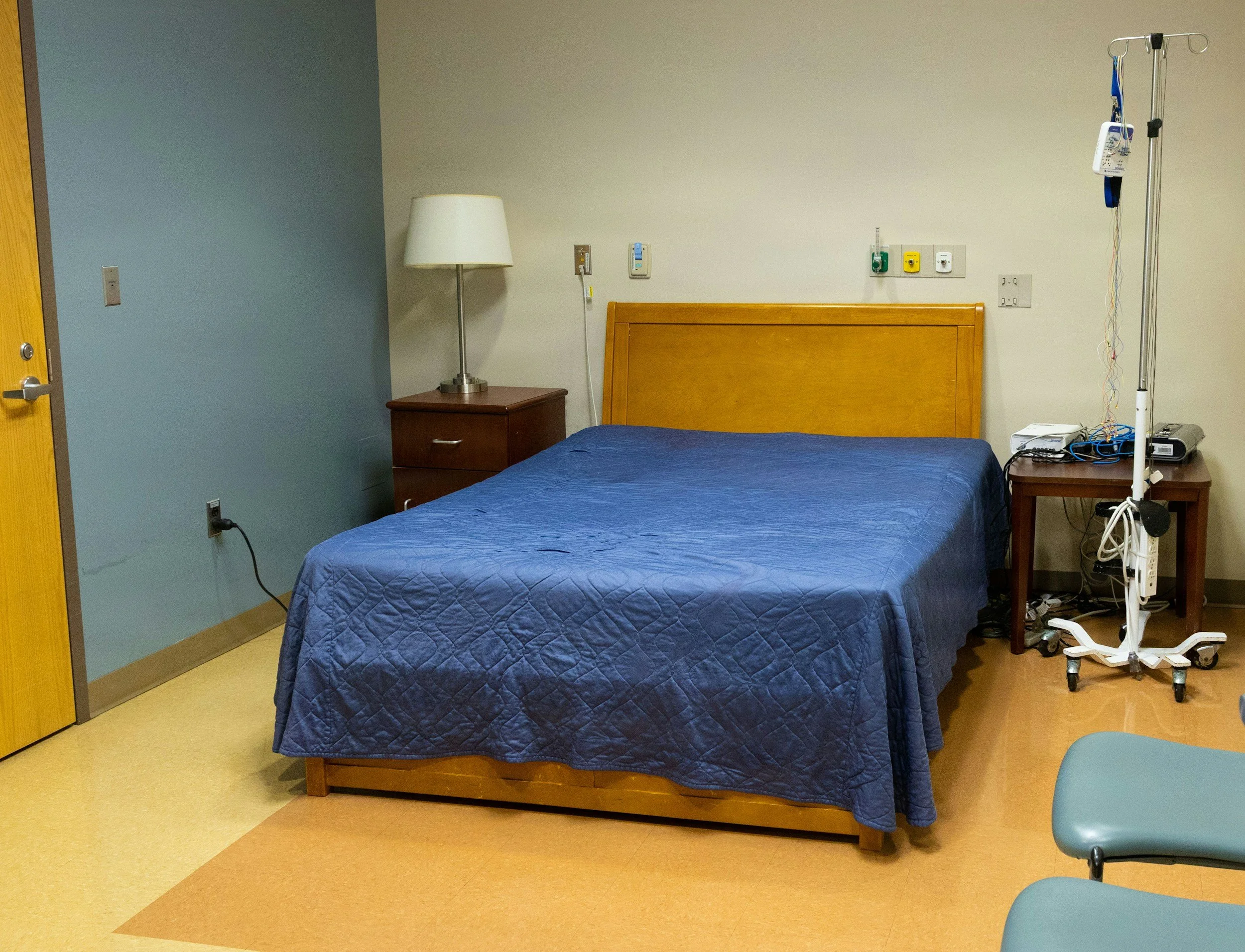
Bedsores & Pressure Injuries
Bedsores, also known as pressure ulcers or pressure injuries, can become serious when residents do not receive proper care, repositioning, or monitoring. Severe pressure injuries may lead to infection, hospitalization, and other complications.
Smith Clinesmith represents individuals and families affected by serious bedsores in nursing homes, assisted living facilities, and other healthcare settings. Our bedsore attorneys investigate whether inadequate care or neglect contributed to the injury and help families pursue accountability.

Falls & Broken Bones
Falls in nursing homes and assisted living facilities can lead to serious injuries, including broken bones, hip fractures, head injuries, and other complications. In some cases, inadequate supervision, unsafe conditions, or improper assistance may contribute to a preventable fall.
Smith Clinesmith represents individuals and families affected by serious nursing home falls and fall-related injuries. Our attorneys investigate what happened and pursue accountability when neglect or inadequate care may have played a role.

Elder Wrongful Death
Losing a loved one after suspected abuse or neglect in a nursing home, assisted living facility, or other healthcare setting can leave families with difficult questions. When inadequate care may have contributed to their death, understanding what happened matters.
Smith Clinesmith helps families investigate potential nursing home wrongful death claims and understand their legal options. If you have concerns about the care your loved one received, contact our team for a free, confidential case evaluation.

Sepsis
Sepsis is a serious medical emergency that can develop when an infection is not properly recognized or treated. In nursing homes and assisted living facilities, infections related to pressure injuries, UTIs, wounds, or other conditions may lead to life-threatening complications.
Smith Clinesmith represents individuals and families affected by sepsis when neglect or inadequate care may have contributed. If you or a loved one developed sepsis in a healthcare facility, contact our team for a free, confidential case evaluation.

Nursing Home Neglect
Nursing home neglect can occur when residents do not receive the care, supervision, or attention they need. Warning signs may include unexplained injuries, bedsores, falls, dehydration, malnutrition, medication errors, or worsening health conditions.
Smith Clinesmith helps individuals and families investigate suspected nursing home neglect and determine whether inadequate care contributed to a serious injury. If something about the care you or a loved one received concerns you, contact our team for a free, confidential case evaluation.
Latest News



Do You Have an Elder Abuse or Neglect Case?
Take our FREE case assessment in less than 2 minutes.
If you ask random people on the street what “nursing home abuse” is, you might get dozens of different answers, but the vast majority of people will immediately think of “intentional harm”. They’ll point to staff members slapping, punching or maybe verbally or sexually assaulting a resident. Certainly, that would constitute abuse – but it is not the entire story. Nursing home abuse is defined by the regulations that govern nursing homes in America.